
Eslam Hamed
Technical Lead & AI Solutions Architect
Building enterprise AI systems, cloud platforms, and production-ready software
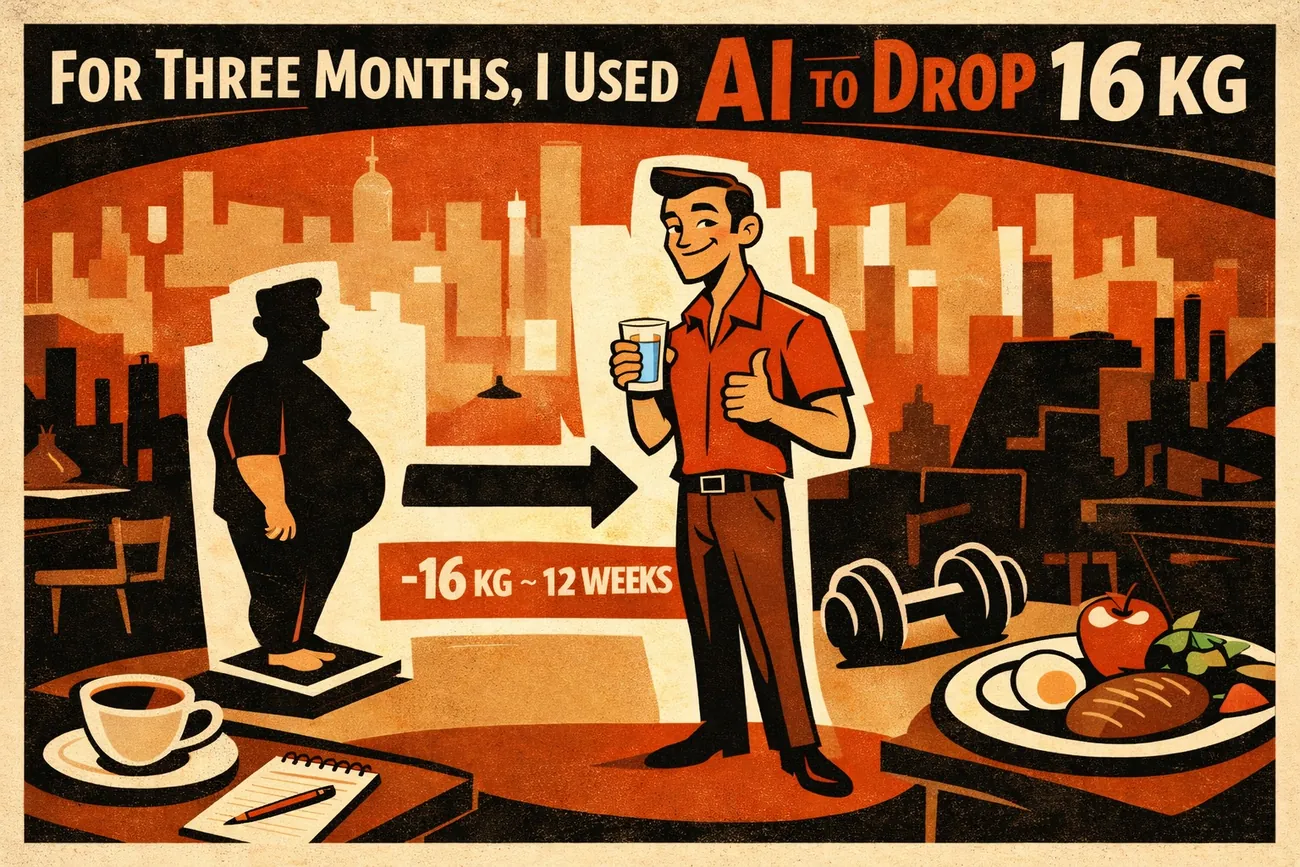
For Three Months, I Used AI to Drop 16 KG (ChatGPT Edition)
Late October, I was not failing. I was frozen by uncertainty. I needed a simple system I could start today and trust while I moved.
I gave ChatGPT my real constraints: sedentary software work, unpredictable days, family life, and one non-negotiable preference — I love food and I wanted fat loss without misery.
The real blocker was uncertainty, not motivation
At the start of big change, the hardest question is not effort — it is direction. Is this right? Is this wrong? How do I know while I go? Too much conflicting advice made it harder to start.
So I asked one prompt that changed everything: Give me a simple plan I can start today, and a feedback loop to know if I am doing the right actions.
My work environment was quietly pushing bad habits
- Long sitting sessions turned into whole afternoons.
- Deep focus delayed meals until hunger spiked.
- Stress-debugging made snacks feel like emotional support.
- Late fixes pushed dinner later and made decisions messier.
It was not lack of care. My day was optimized for shipping code, not protecting health.
The plan: easy to hard
1) Quick wins
- Protein at every main meal.
- Daily walking (consistency over intensity).
- Enough water.
- Two to three default meals on repeat.
2) Medium effort
- Meals I genuinely enjoy, not sad diet meals.
- Fiber strategy for fullness and consistency.
- Workday guardrails to avoid arriving at meals starving.
3) Deep work
- Basic strength work to keep muscle.
- More stable sleep timing.
- Smarter weekend and social-food planning.
Execution wins: defaults and options
The first week was not dramatic. It was clear. Instead of asking all day what to do, I only asked: do the defaults.
When workday hunger spikes hit, I used simple rules: do not skip meals until panic hunger, keep a planned snack, add protein or fiber first, then decide.
I also used AI as a food referee and option generator: three dinner choices, better sweet options, and calm corrections after messy days. Perfection is fragile. Options are resilient.
What changed most
The number is real, but the bigger win is mental: I moved from not knowing how to start to running a repeatable system. Once the system exists, progress becomes predictable.
- Default plans beat perfect plans.
- Weekly trends beat daily emotions.
- AI did not replace effort; it removed wasted decision time.
Closing
I did not lose 16 kg because AI is magic. I lost 16 kg because AI made the next action obvious and kept uncertainty small.
If you are building a portfolio or rebuilding your health, the same mindset works: reduce ambiguity, fix bottlenecks first, validate weekly, and keep shipping. Think of it like portfolio SEO and technical SEO for your habits: improve crawlability of your routine, keep clean meta tags in your decisions, choose one canonical action path, use structured data from your weekly trend, maintain your sitemap of defaults, respect your robots.txt boundaries, and optimize your own Core Web Vitals equivalent — sleep, movement, and recovery.